 nVidia RIVA TNT Series (1998-1999)
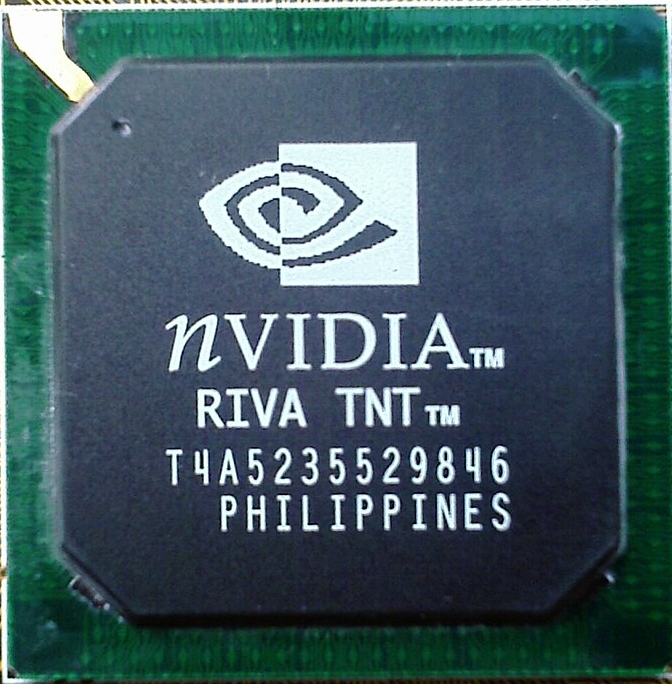
nVidia RIVA TNT (1998)
Summary
| Launched | September 1998 (RIVA TNT) March 1999 (RIVA TNT Vanta) |
VESA Support | Yes, VESA VBE 3.0 and DDC2B |
| Bus Type | PCI or AGP 2x | API Support | DirectX 6.0 and OpenGL 2.0? |
| Chipset | NV4 | Found on Cards | ASUS V3400TNT, V3400TNT/TV Canopus Spectra 2500 Creative Labs Graphics Blaster RIVA TNT Diamond Viper V550 Hercules Dynamite TNT STB Velocity 4400 ELSA Erazor II Leadtek WinFast 3D S320 |
| Core Clock | 90 - 100 MHz (TNT) | ||
| Memory | 8 or 16 MB (RIVA TNT) 8 MB only (RIVA TNT Vanta) |
||
| Memory Speed | 100 - 115 MHz (125 MHz if overclocked) | ||
| RAMDAC | (integrated) | Competitors | 3Dfx Voodoo2 3Dfx Voodoo Banshee Number Nine Revolution IV NEC PowerVR 2 |
| RAMDAC Speed | 250 MHz |
Introduction
nVidia's follow-up to the RIVA 128 series (NV3) arrived in late 1998. The NV4 was branded RIVA TNT, for "TwiN Texel", which meant it had dual 3D pixel pipelines onboard. This was especially important so that nVidia could rival 3dfx' Voodoo 2 which also had two graphics processing pipelines. The advantage of course for the RIVA TNT was that it was a combined 2D/3D offering, so only required one slot.
With support for up to 16 MB of onboard video memory it could run displays at up to 1600 x 1200 resolution.
In line with their focus on the latest 3D APIs, RIVA TNT was the first to support Microsoft's latest DirectX 6.0 API, in addition to full support for OpenGL. Sadly, early testing showed that the NV4 ran too hot, so nVidia released the RIVA TNT with a core clock that ran at a cooler 90 MHz instead of the planned 110 MHz. Originally planned specifications should have placed the card ahead of Voodoo2 in theoretical performance for Direct3D applications, but at 90 MHz it did not quite match the Voodoo2.
3dfx had launched the Voodoo2 several months earlier, and both cards sat in a market where 3dfx' own GLiDE API reigned supreme, with the majority of 3D games supporting this proprietary API. This gave Voodoo2 a big advantage in both speed and image quality compared to RIVA TNT unless the game also supported OpenGL or Direct3D.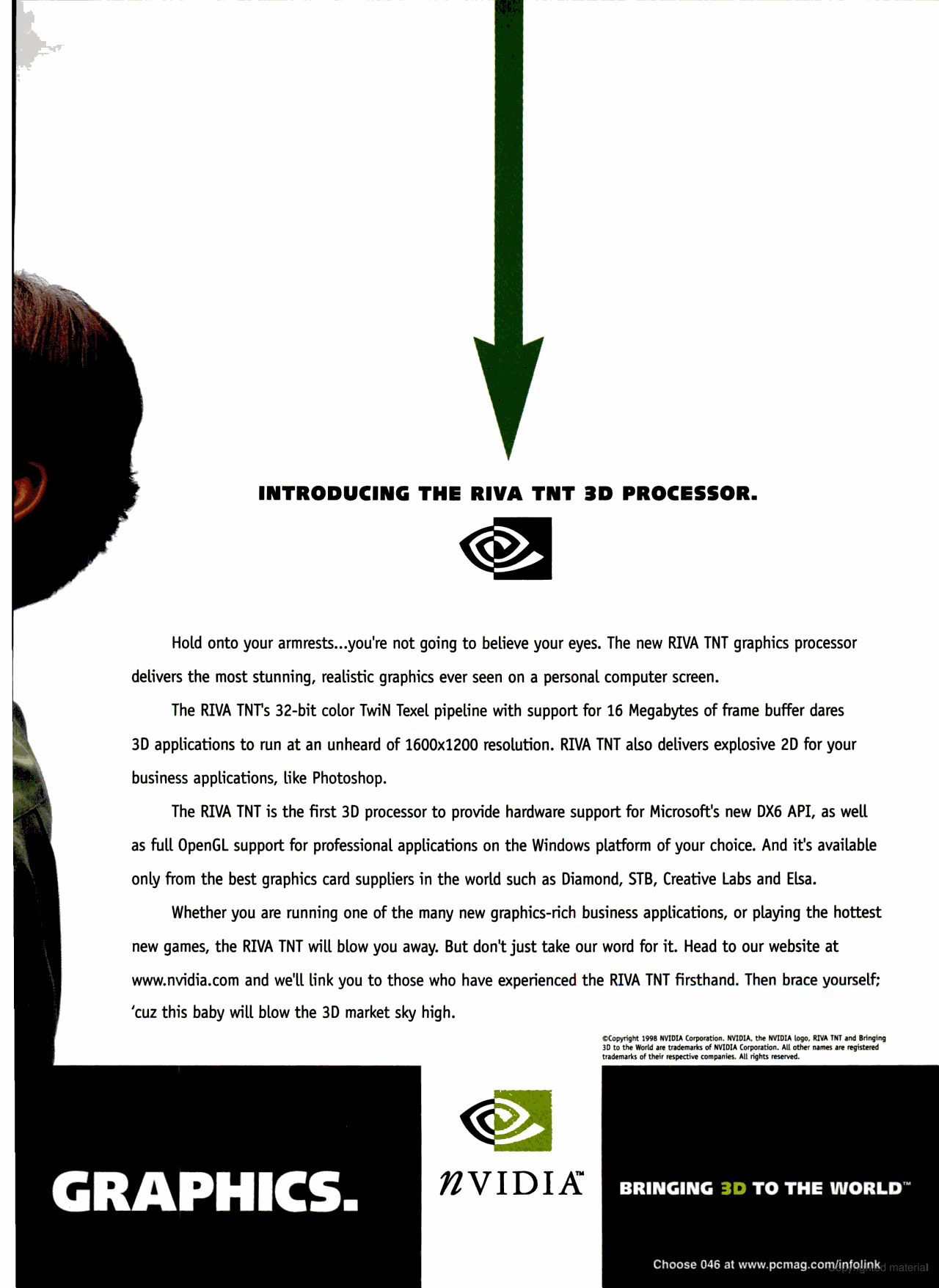
The PCI version of RIVA TNT was aimed at lower-performing systems that were still running a Pentium 90 or slightly faster. The AGP version required a Pentium II.
A budget version of the RIVA TNT was launched in March 1999 called RIVA TNT Vanta. This had half the memory interface, half the memory, and a reduced core clock speed. Any RIVA TNT chips that failed performance / heat testing for a true RIVA TNT would be rebadged Vanta. Vanta proved popular with OEMs due to its 2D and 3D feature set that matched the RIVA TNT fully, and its low price.
The NV4 series comprised these versions throughout its life:
- RIVA TNT - 16 MB memory via 128-bit interface, PCI and AGP versions available, DirectX 6.0 and OpenGL support, 250 MHz RAMDAC.
- RIVA TNT Vanta - a cut-down version of TNT with lower core clock (75 MHz?), 8 MB memory, and 64-bit memory interface.
Here's a comparison of the RIVA TNT range, along with some of its competitors, 3Dfx Voodoo2, 3Dfx Voodoo Banshee, and S3 Savage 3D:
| RIVA TNT | RIVA TNT Vanta | 3Dfx Voodoo2 | 3Dfx Banshee | S3 Savage 3D | |
|---|---|---|---|---|---|
| Release Date | September 1998 | March 1999 | |||
| Chip | NV4 | NV4 | |||
| Bus | PCI or AGP 2x | PCI or AGP 2x | PCI or AGP 2x | ||
| Core Clock | 90 - 100 MHz | ||||
| Memory Sizes | 8 and 16 MB | 8 MB | 16 MB SDRAM (PCI) or SGRAM (AGP) | 8 MB SDRAM or SGRAM | |
| Memory pipeline | 128-bit | 64-bit | |||
| Memory Clock | 100 - 115 MHz | ||||
| Memory Bandwidth | 1.76 GB/sec | ||||
| RAMDAC | 250 MHz | 250 MHz | 250 MHz | 250 MHz | |
| # Pixel Shaders | |||||
| # Vertex Shaders | |||||
| # Texture Mapping Units (TMUs) | 2 | 2 | |||
| # Raster Operation Pipelines (ROPs) | |||||
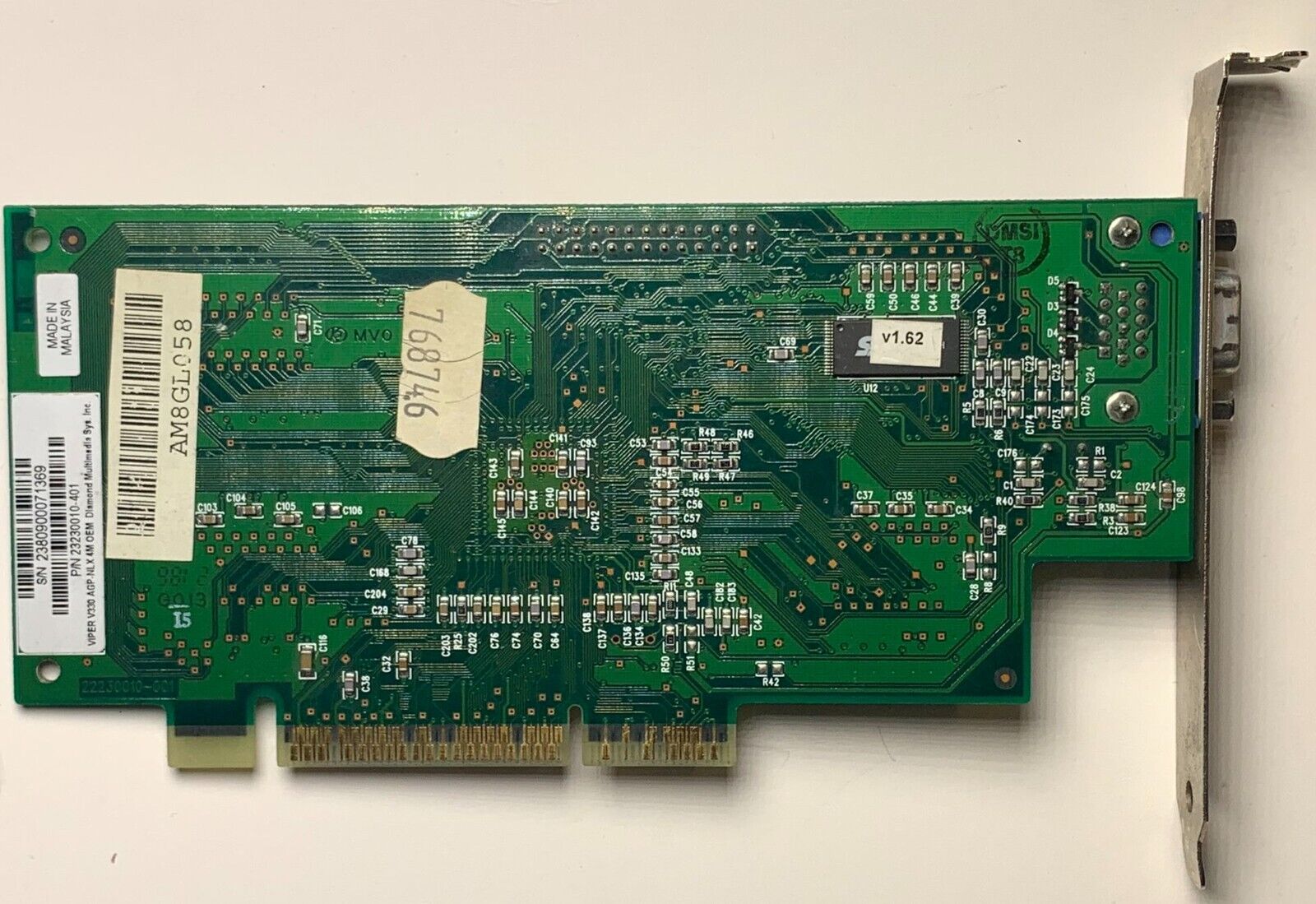
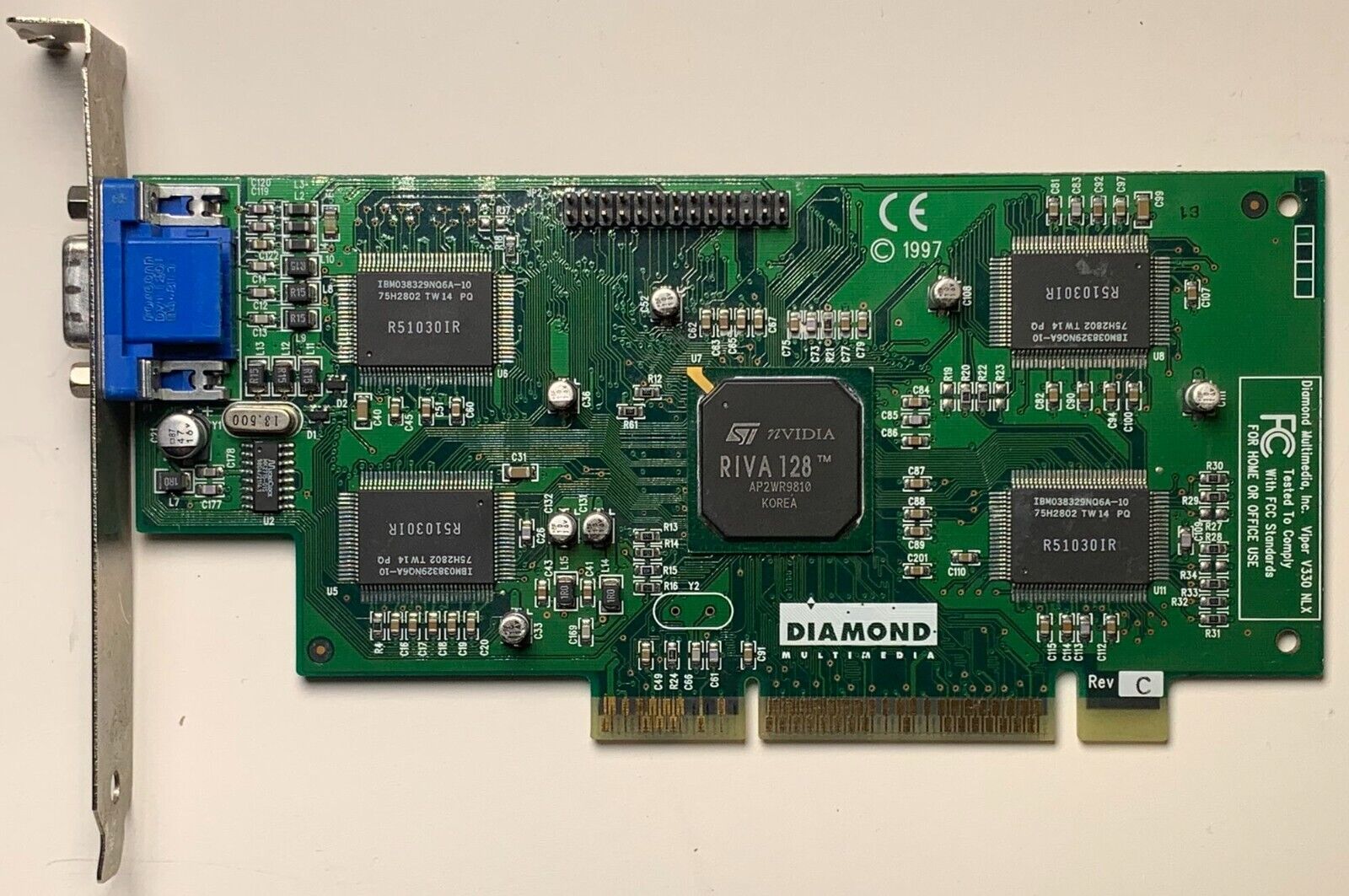
| Cards that Used it | Diamond Viper V330 ELSA Victory Erazor II |
Diamond Monster Fusion ELSA Victory II Guillemot Maxi Gamer Phoenix |
In manufacturing the RIVA TNT chip, nVidia dropped their use of SGS Thomson (ST Microelectronics) as an external chip fabricator that they'd used for the RIVA 128 series, and went all-in with TSMC (Taiwan Semiconductor Manufacturing Company).
3D Jargon Busting in 1998
Bump mapping - to bring textured surfaces into relief, bump mapping changes their colours and shadows, depending on the intensity and direction of the light hitting the surface.Edge anti-aliasing smooths the edges of triangles by calculating lines between vertices.
Per-pixel anti-aliasing, also known as sort-independent or scene anti-aliasing, artifically expands the resolution of a scene in the frame buffer memory, performs an averaging operation, and then resamples to the correct resolution. The result is a smoother image.
Triple buffering increases the number of frames drawn per second. As one scene is being rendered in the front buffer of the graphics card, the next two scenes are sent to two back buffers for processing.
Trilinear MIP mapping - In 3D space, textures are applied to surfaces using tiny bitmapped files. Trilinear MIP mapping adjusts the level of detail visible in each textured surface, depending on that surface's distance from the viewer.
Z-buffering stores the Z (or depth) value of each pixel and then compares it with other pixels in the same area of the screen. The greater the bit depth, the more precise the indication of depth in 3D space; 24-bit Z-buffering provides 24 distinct levels of depth in each pixel, where 32-bit Z-buffering provides 32.
The RIVA TNT had an excellent set of 3D features: Alpha-Blending, Anisotropic Filtering, Anti-Aliasing, Bilinear and Trilinear Filtering, Bump Mapping, Environment Mapping, Fogging, Gouraud Shading, Hardware Triangle Setup, MIP Mapping, Perspective Correction, Specular Highlights, Subpixel Precision, 10GFLOP Floating Point Geometry, Texture Mapping, Transparency, and Z-Buffering.
The nVidia RIVA TNT series all support DirectX 6.0 and OpenGL 2.0 via Installable Client Drivers (ICDs). Drivers were made available for Windows 95 and 98 as well as Windows NT 4.0.
Supported Graphics Modes
The NV4 supports resolutions up to 1920 x 1200 in True-Color mode.
For 3D graphics, it maxes out at 1024 x 768 with a 24-bit colour depth and Z-buffer.
The table below outlines the vertical refresh rates available at each resolution:
2D Display Modes & Refresh Rates
|
3D Display Modes
|
Memory
Like its RIVA 128 predecessor, RIVA TNT was designed with a 128-bit memory pathway. The RIVA TNT bettered its older brother with its support for double the memory (16 MB instead of 8 MB), though the later-released budget variant, Vanta used a 64-bit memory path and 8 MB maximum memory.
In summary, these are the memory types and their speeds used by the RIVA TNT series:
- RIVA TNT - 8 MB or 16 MB of SDRAM or SGRAM (100 MHz - 115 MHz, depending on the card manufacturer)
- RIVA TNT Vanta - Up to 8 MB of SDRAM
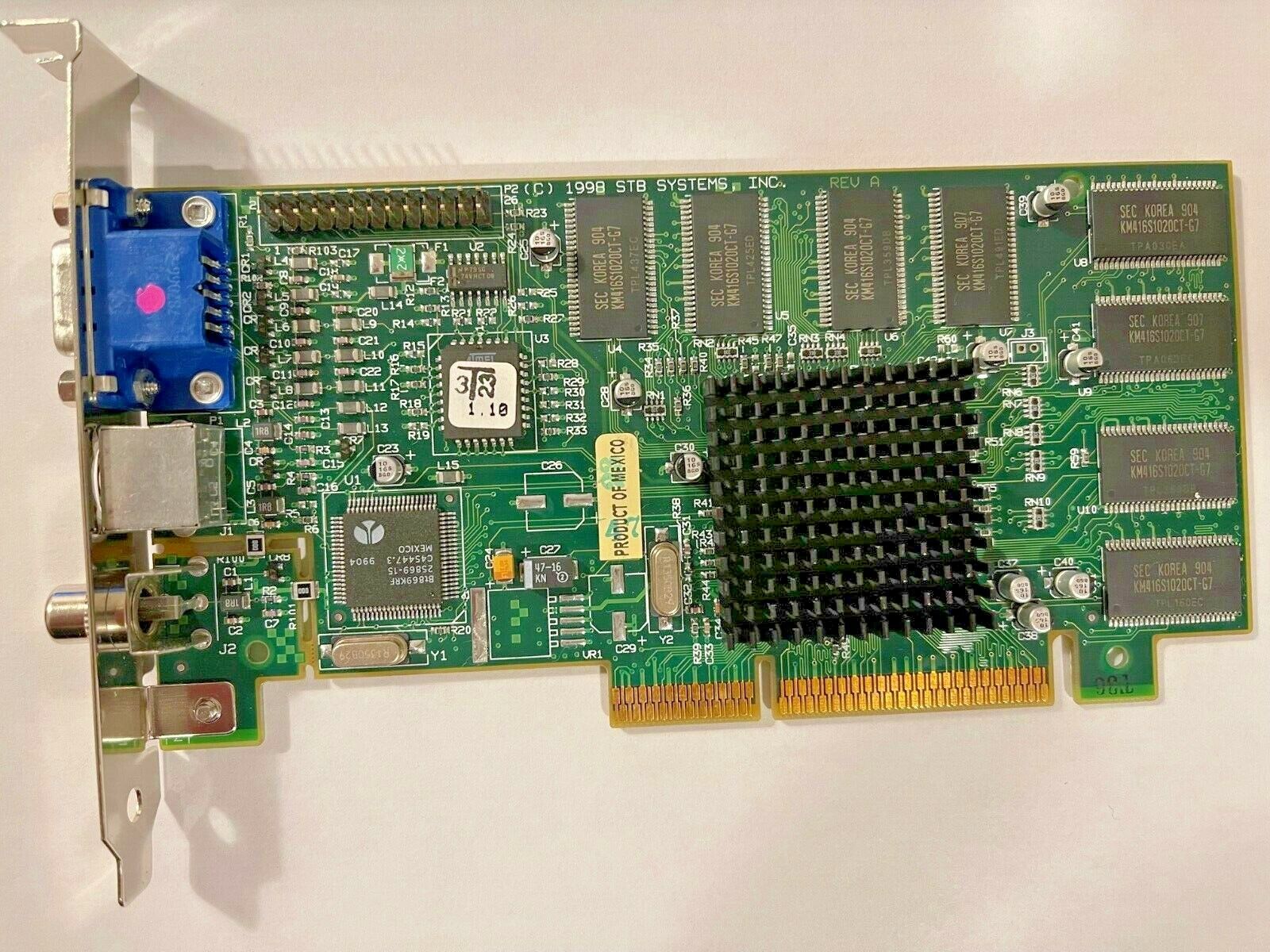
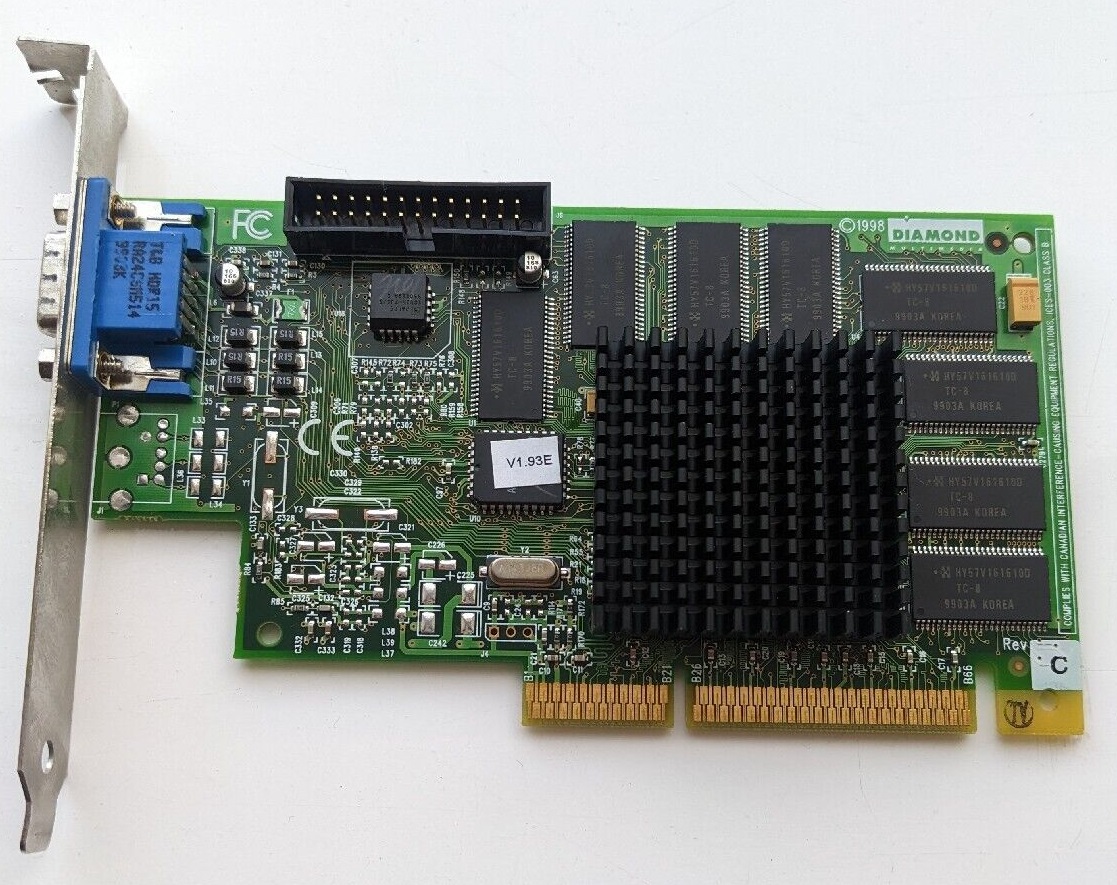
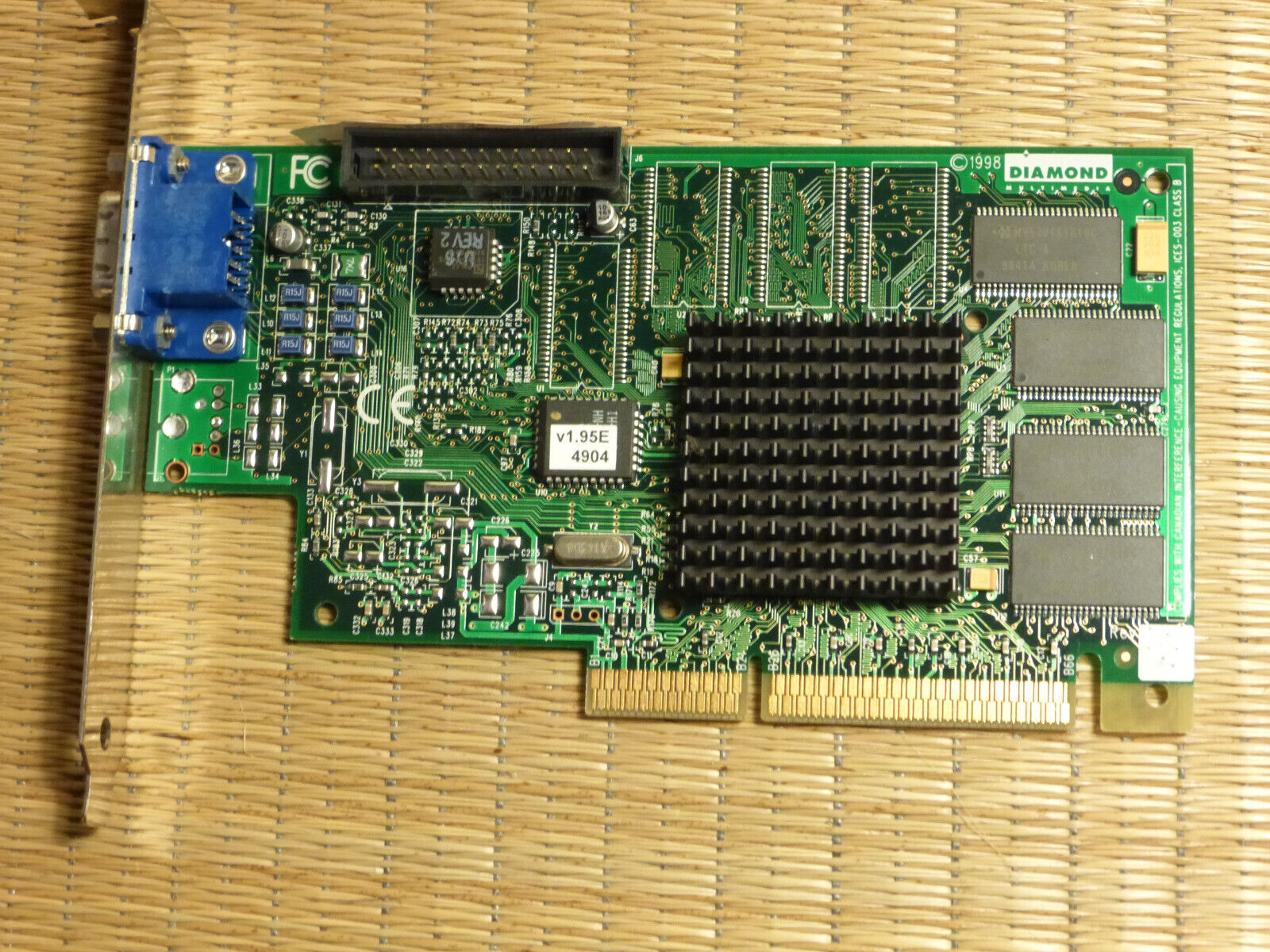
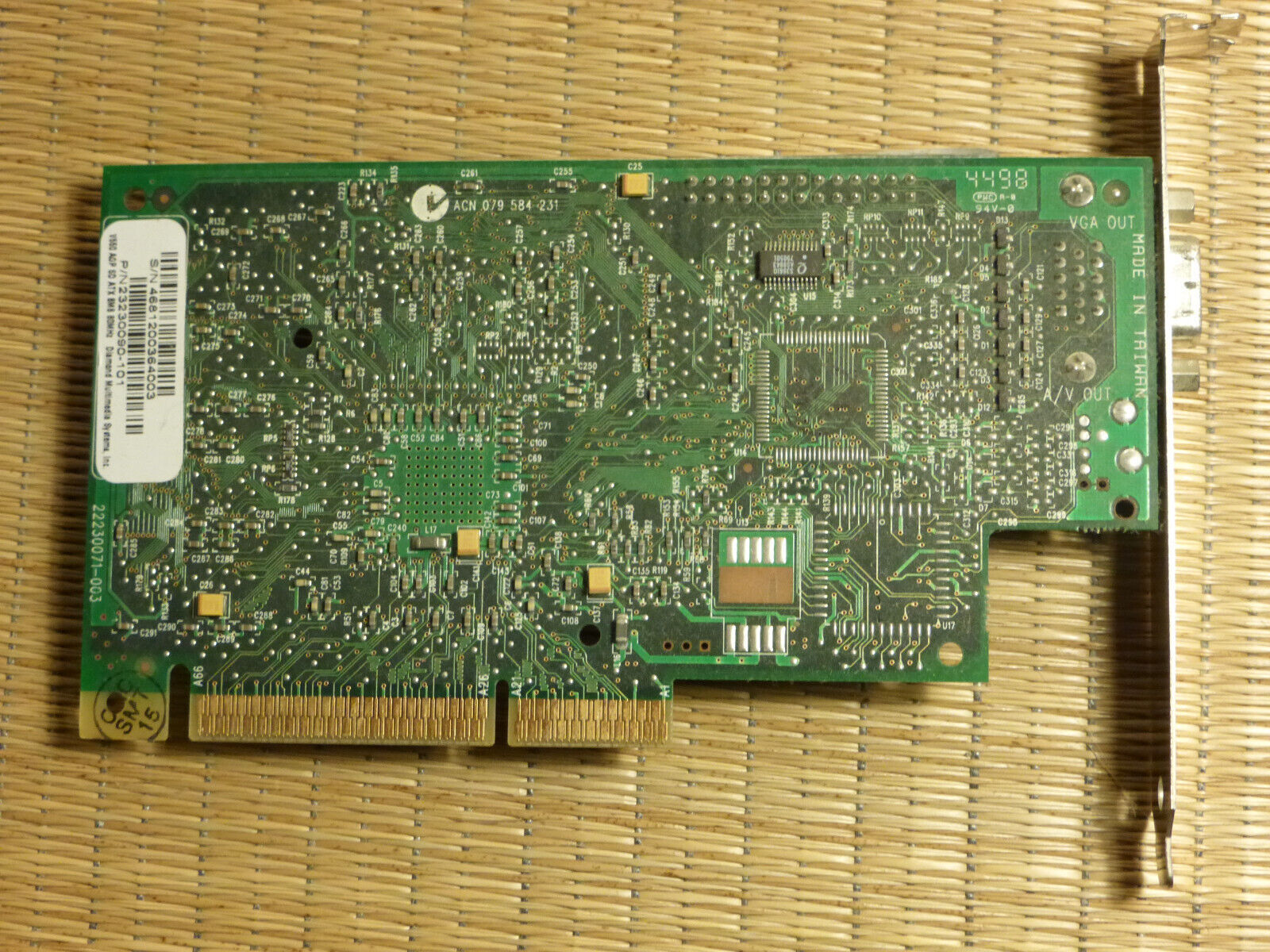
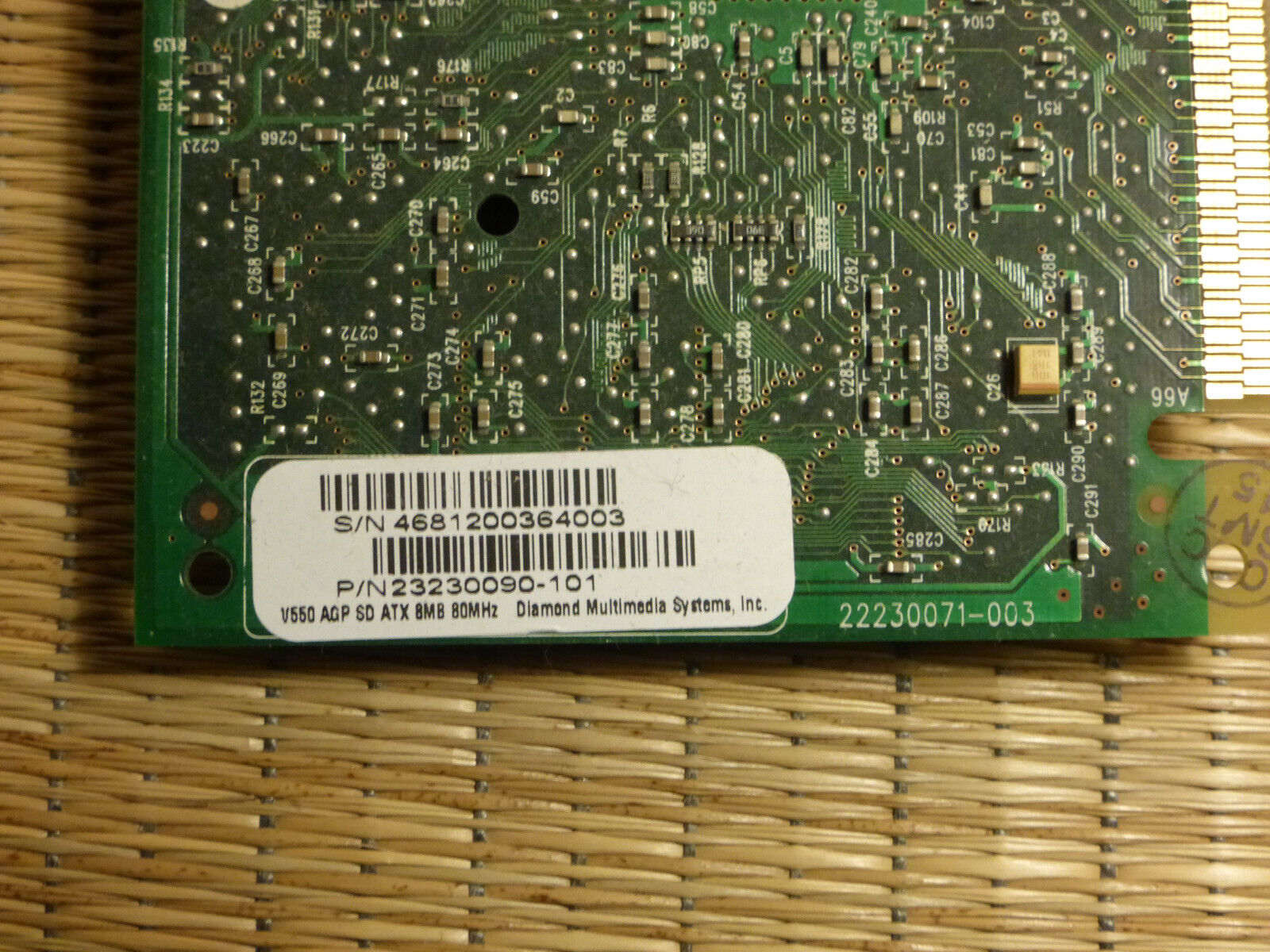
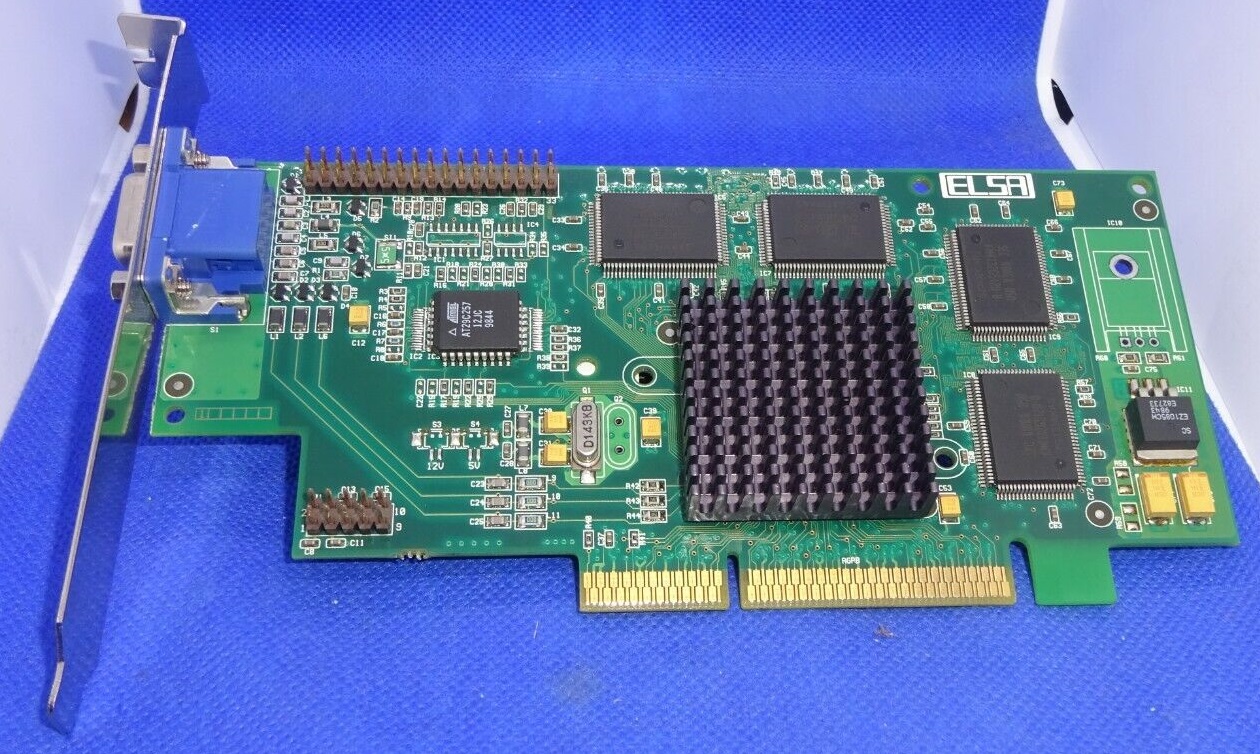
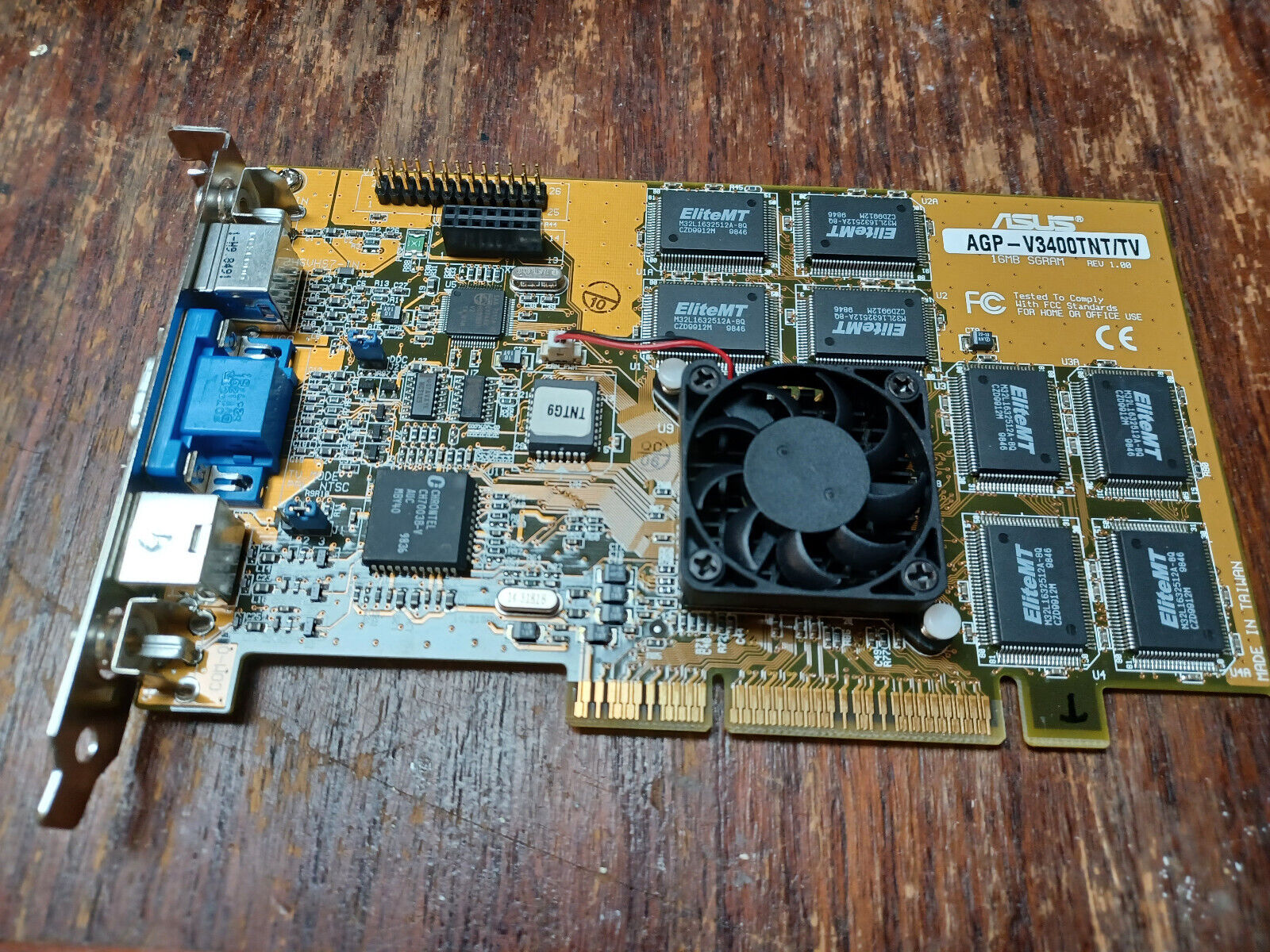
Not all RIVA TNT cards came with the maximum 16 MB on the card - the NV4's reference design catered for 4 MB and 8 MB versions too, though no 4 MB versions were produced. Most TNTs come with the full 16 MB onboard, as can be seen with all eight DRAM locations on the board populated, though some, like the Diamond Viper V550 and ASUS AGP-V3400TNT also came in 8 MB variants.
Note: I'm not 100% sure, but cards fitted with only 8 MB seem to be running in 64-bit mode. Perhaps you need the full 16 MB to operate at the full 128-bit path due to how the memory is accessed (the first 8 MB uses the first 64-bits, and the second 8 MB uses the second).
Memory speeds varied quite a bit from card to card. All SDRAM cards use 512K x 16-bit x 2 banks, while SGRAM cards use 256K x 32-bit x 2 banks. The most common memory ICs used were the 125 MHz and 143 MHz variants of:
- Samsung KM416S1020CT - SDRAM available in 100 MHz (-G10), 125 MHz (-G8), 143 MHz (-G7), and 166 MHz (-G6).
- Hyundai HY57V161610D - SDRAM available in 66 MHz (-TC15), 100 MHz (-TC10), 125 MHz (-TC8), 143 MHz (-TC7), 166 MHz (-TC6), 183 MHz (-TC55), and 200 MHz (-TC5).
- Samsung KM4132G512Q - SGRAM available in 100 MHZ (G0), 125 MHz (G8), 143 MHz (G7), and 166 MHz (G6).
- Elite Semiconductor (ESMT) M32L1632512A - SGRAM available in 125 MHz (-8Q), 143 MHz (-7Q), 166 MHz (-6Q), and 200 MHz (-5Q).
Ports
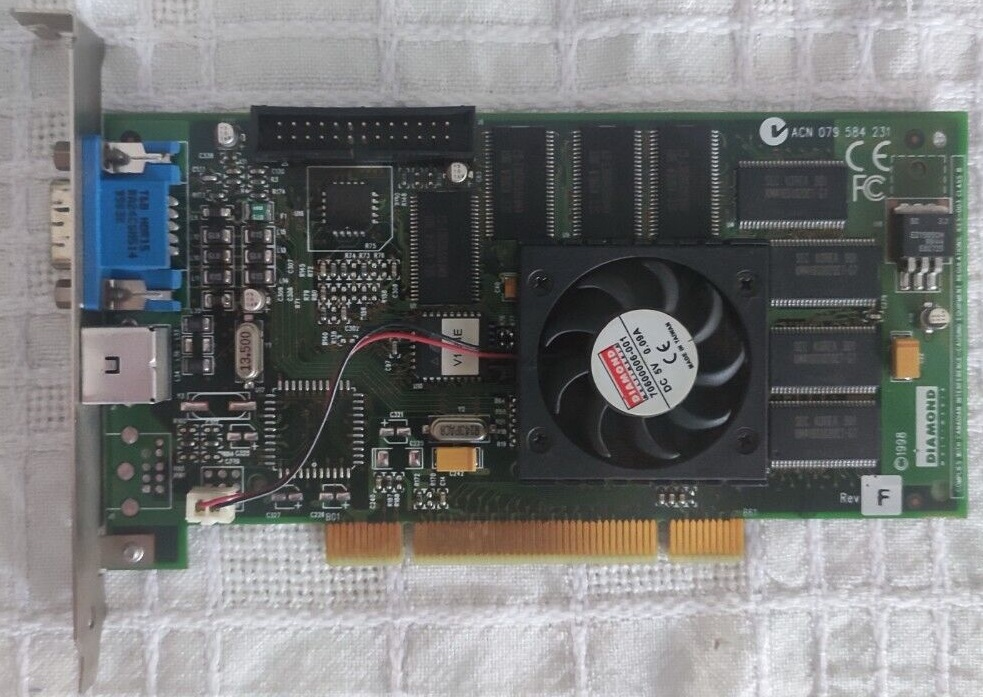
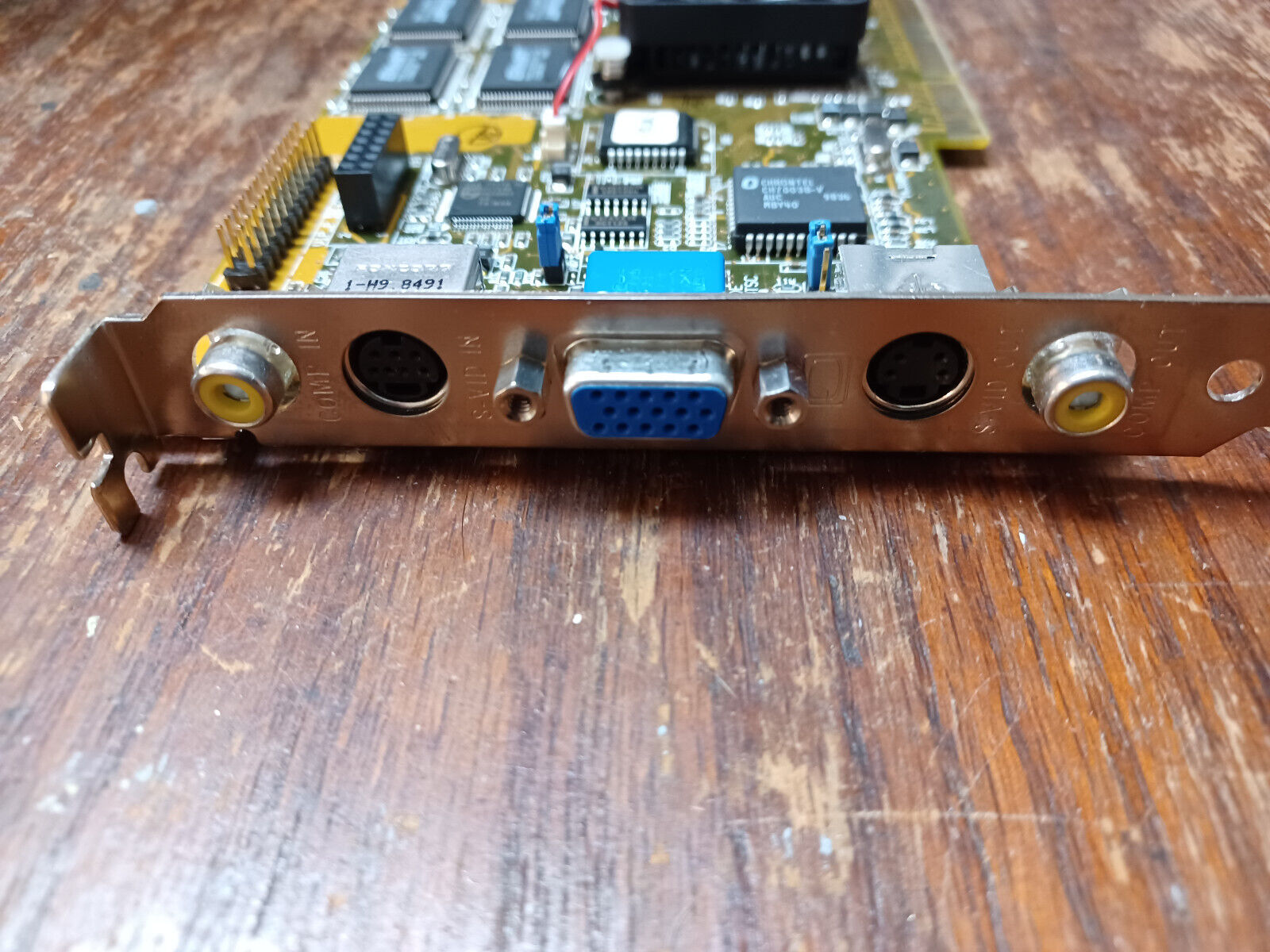
Most RIVA TNT cards only got the standard 15-pin DSUB monitor connector, though a few, like the Diamond Viper V550 also got an S-Video out port. Canopus went one step further, incorporating an entire TV tuner with S-Video and Composite video output ports to their card.
Switches
The nVidia RIVA TNT series are fully Plug & Play, so no hardware configuration / jumpers / DIP switches need to be set.
The Video BIOS
Since RIVA TNT series were manufactured by numerous third-party hardware companies, each had their own video 64 KB BIOS, though it is likely they were mostly copies of the nVidia reference design. Most of these are shown in the table below:
RIVA TNT
| Card | BIOS Chip | Marking on Chip |
|---|---|---|
| STB Velocity 4400 Rev.A (16 MB SDRAM) | Atmel | 1.12 |
| Diamond Viper V550 AGP (16 MB SDRAM) | Atmel | 1.93E |
| Diamond Viper V550 AGP (8 MB SDRAM) | (Unknown) | 1.95E |
| ELSA Victory Erazor II (16 MB SGRAM) | Atmel | 2.03.00 |
| ASUS AGP-V3400TNT/TV (16 MB SGRAM) | (Unknown) | TNTG9 |
RIVA TNT Vanta
| Card | BIOS Chip | Marking on Chip |
|---|---|---|
| ? | ? | ? |
Upgrades and Successors
Reception
 Right out of the gate in Q4 of 1998, Diamond Multimedia launched the Diamond Viper V550 in both AGP and PCI form. The card came as standard with the full 16 MB of video memory and a competitive appoximate street price of $250, $50 less than an 8 MB card would have cost just a year earlier.
The best RIVA TNT cards came from ASUS, with their V3400TNT and V3400TNT/TV. Both came with the best cooling of any TNT card with both a heatsink and fan, good drivers which allow you to change the refresh rate on-the-fly, excellent overclockability, and in the case of the /TV version, was the only one with video-in capability. Another great TNT card was the Hercules Dynamite TNT - again, it had great cooling (heatsink and fan), and powerful drivers that allowed overclocking to 115/125 (core/memory) and even defaulted to 98/125 MHz (core/memory). When new, reviewers soon recognised that there wasn't much between each vendor's version of the TNT, but the differentiator was in the drivers where more overclocking options made one card more desirable than another.
The ELSA Erazor II and ASUS AGP-V3400TNT were the only TNT cards that used SGRAM - the ASUS was actually available in either SDRAM or SGRAM form, but the ELSA cards only used SGRAM. While the use of SGRAM should have given a slight performance boost, tests showed the opposite was true - the Erazor II was the slowest TNT card in group tests when you tweaked other cards to overclock them a little - something the ELSA drivers did not allow you to do. And unless you got a really early Erazor II with the heatsink and fan, the passive heatsink variants proved to make the poor TNT run the hottest of all the TNT cards tested. Aside the a lack of overclocking options, the ELSA drivers provided a lot of other good settings. Sadly, I don't have performance info on the SGRAM-based ASUS cards.
Competing directly with the TNT, 3dfx had launched the Voodoo2 (3D only) and Voodoo Banshee (2D/3D card), both of which arrived just a few months before the TNT. Voodoo Banshee cards typically ran at a slightly higher core clock of 100 to 110 MHz compared to the TNT's 90 - 100 MHz, and memory was also clocked higher at 100 to 125 MHz compared to TNT's 100 to 115 MHz. This was partly to offset the Banshee's single texture mapping unit which made it slower than Voodoo2's two texture mapping units. In actual performance testing, the TNT was on par with Voodoo Banshee in both 2D and 3D tests, however, given that Voodoo2 was a PCI card it could not take advantage of AGP texturing and was unable to render scenes in true colour mode. The Banshee was available in both PCI and AGP interface forms.
Number Nine were also ready in late 1998 with their Revolution IV, based on the new Ticket to Ride IV chip. The card was super cheap at just $170 on the street, but supported up to 32 MB of SDRAM video memory, matched the TNT and Banshee with the highest resolution of 1920 x 1080, . Another competitor to the new RIVA TNT was NEC's second-generation PowerVR, though it wouldn't arrive until 1999. These were designed to also be a cost-effective alternative at closer to $99 for a card based on this chip.
S3's Savage3D chip was also in the running in late 1998, though it really couldn't keep up with the TNT or Voodoo2 given its single texturing unit and 8 MB limit of onboard memory - this was especially apparent at 1024 x 768 in 16-bit colour depths. Cards based on it typically ran a similar core and memory clock at around 100 MHz to 120 MHz, but did not make full use of AGP 2x leading to poorer data transfer performance. Examples of cards that ran the Savage3D include the BioStar Crux 390, Hercules Terminator Beast, Number Nine Savage Reality, and STB Nitro 3200.
Last year, nVidia rolled out its Riva 128, and despite dithered textures and blocky filtering, that 2D/3D board turned out to be the most powerful all-on-one accelerator.
This year, visual quality is the buzzword. And everyone and his grandma, including S3's Savage3D (previewed in October 1998), Matrox's MGA-G200 (reviewed in September 1998), and 3dfx's Voodoo Banshee (previewed in October 1998), claim they can deliver texel-tittilating goodness with nary a stray pixel or blocky texture.
Guess who's leading the visual-quality charge into 24-bit rendering perfection? nVidia, with its 2D/3D 128-bit TwiN Texel architecture.
Designed to be the best Direct3D accelerator ever to grace the 3D world, its dual 32-bit graphics-pipeline-processing pixels slather on multipass texturing in a single pass, bump-mapping, and more. And with a 24-bit accurate Z-buffer, you can expect next-generation games to look beautiful at 16 million colors. All this doesn't mean OpenGL doesn't get attention from TNT - on the contrary, a full ICD will allow you to run GLQuake-based games and Lightwave3D without a hitch.
The 2D/3D integrated video chip realm now has a new king of the hill - the nVidia TNT.
Pluses: RIVA TNT sets new standard for 2D/3D, awe-inspiring D3D accelerator, 24-bit Z-buffer, S-Video and composite out, 250 MHz RAMDAC, solid control panel for D3D and OGL apps.
Minuses: Not as fast as Voodoo2 in OpenGL apps, output to monitor OR TV, not both."
Maximum PC, Nov 1998
It would not take long for the accolades to roll in for RIVA TNT. By April 1999, just six months after its launch, nVidia ran an advert stating they had won over 180 awards for their new chip.
Images
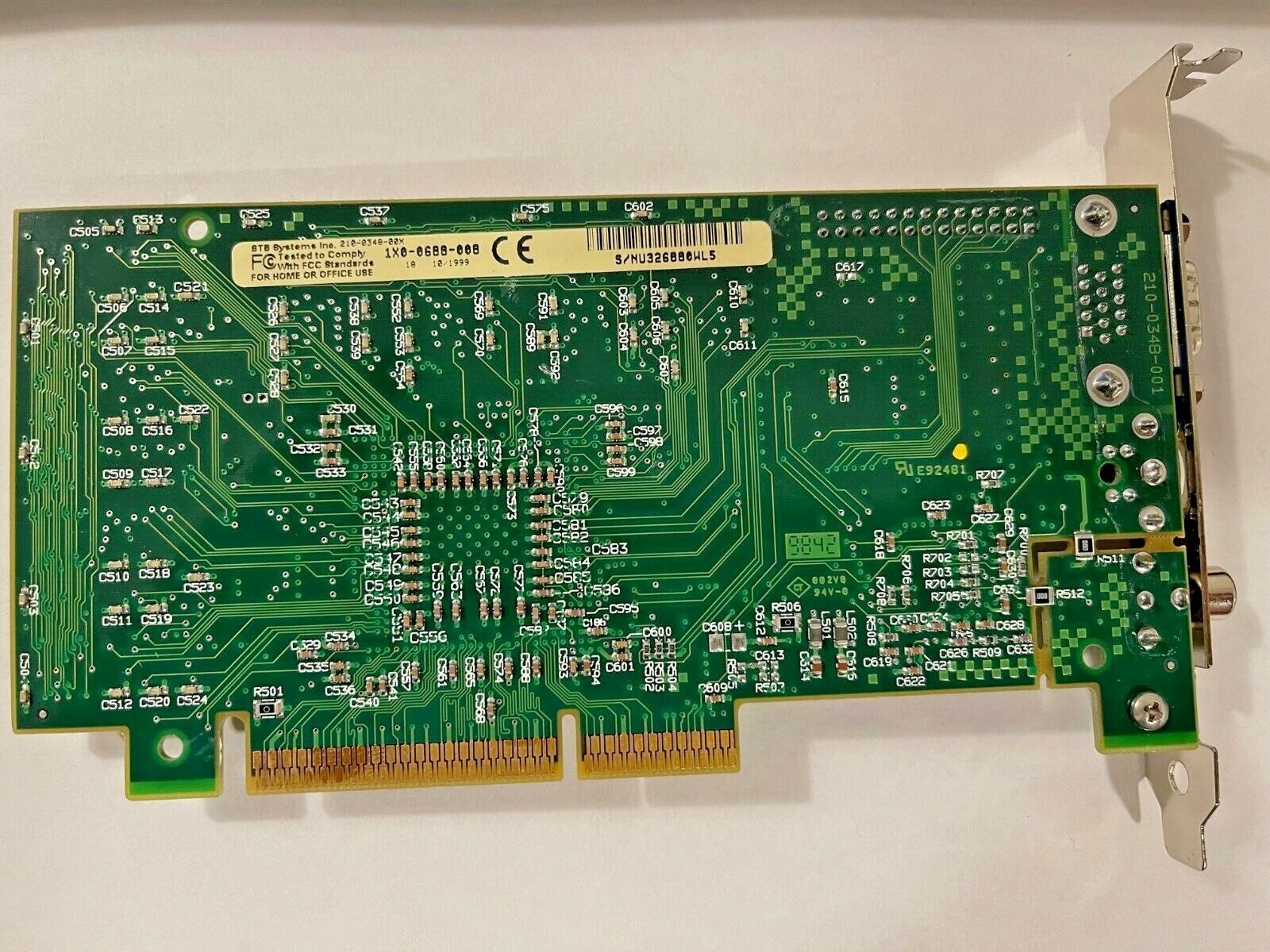
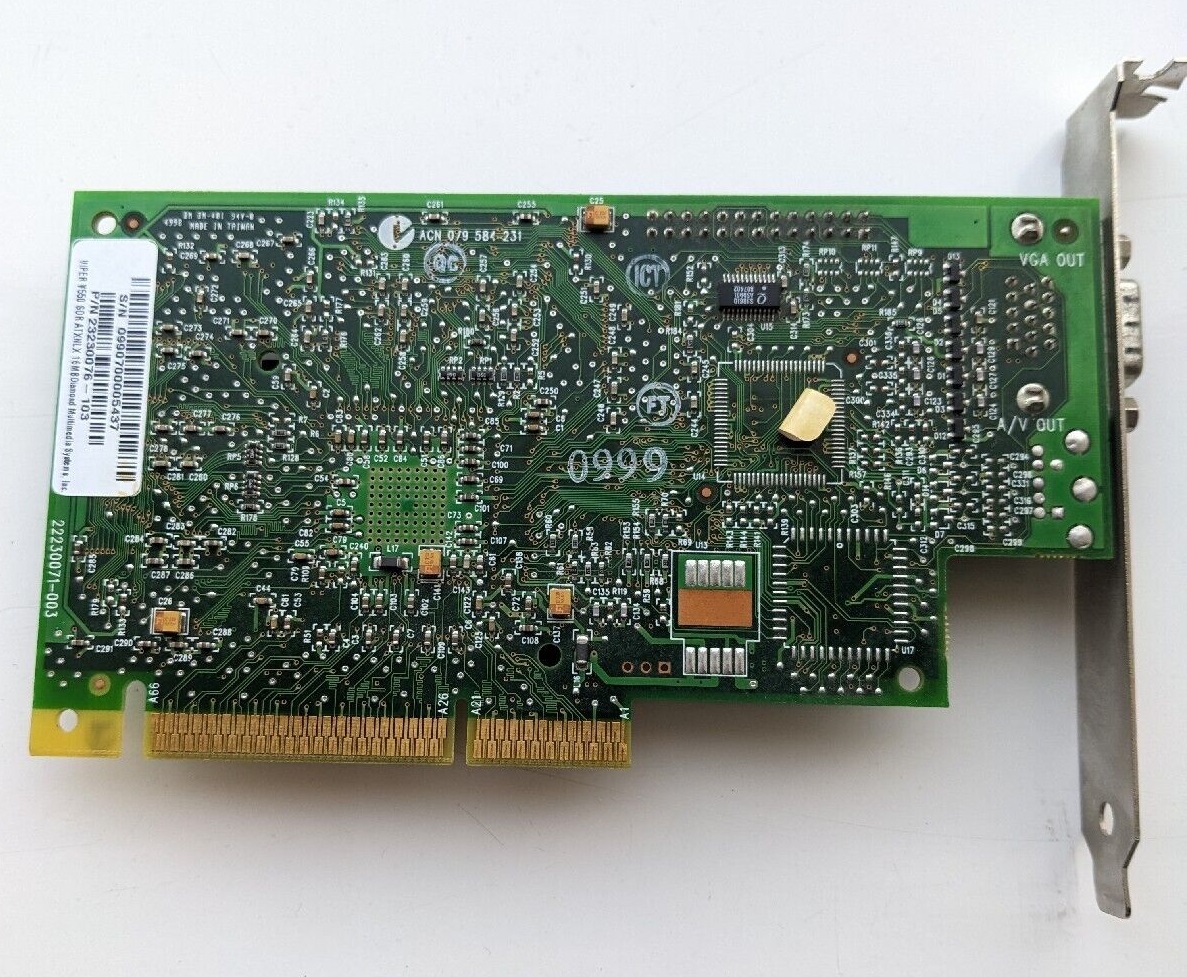
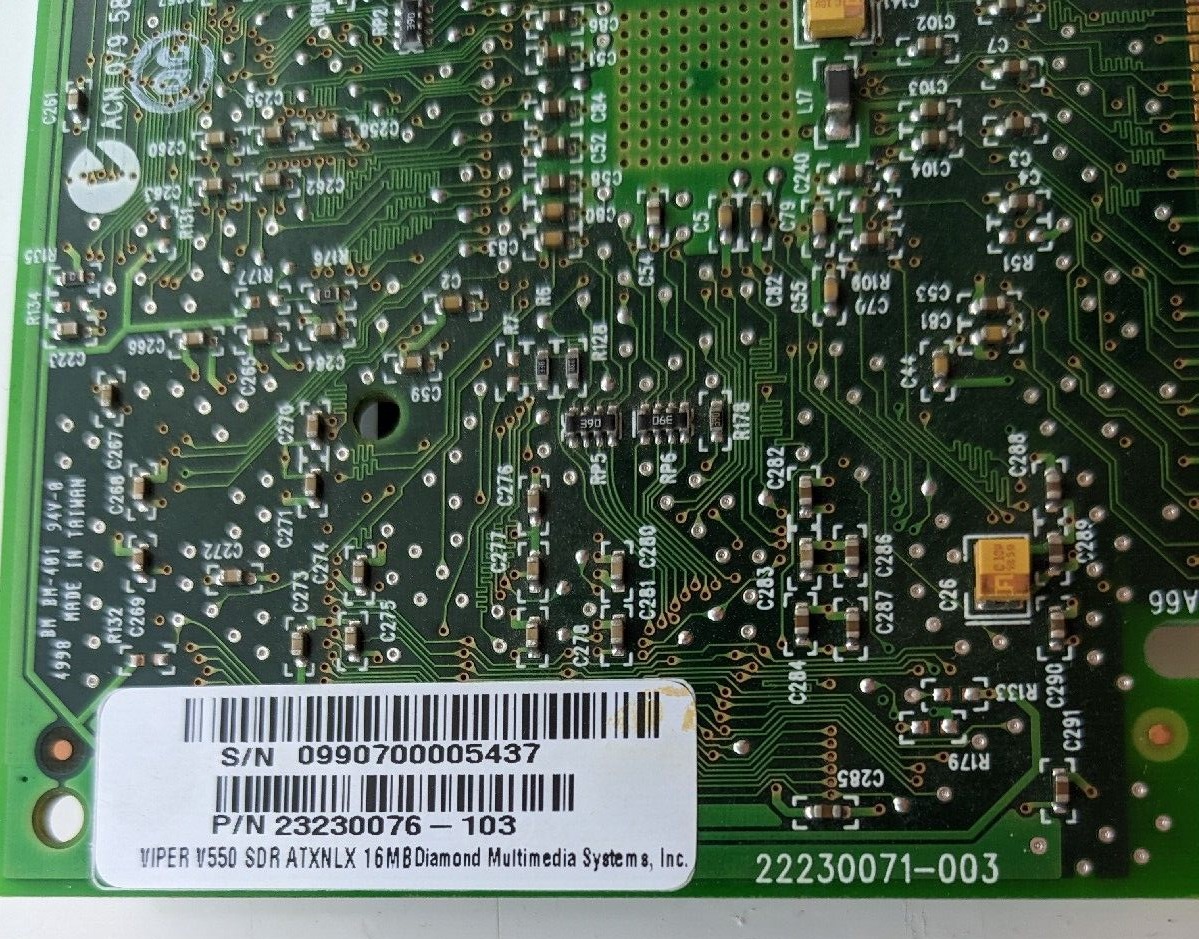
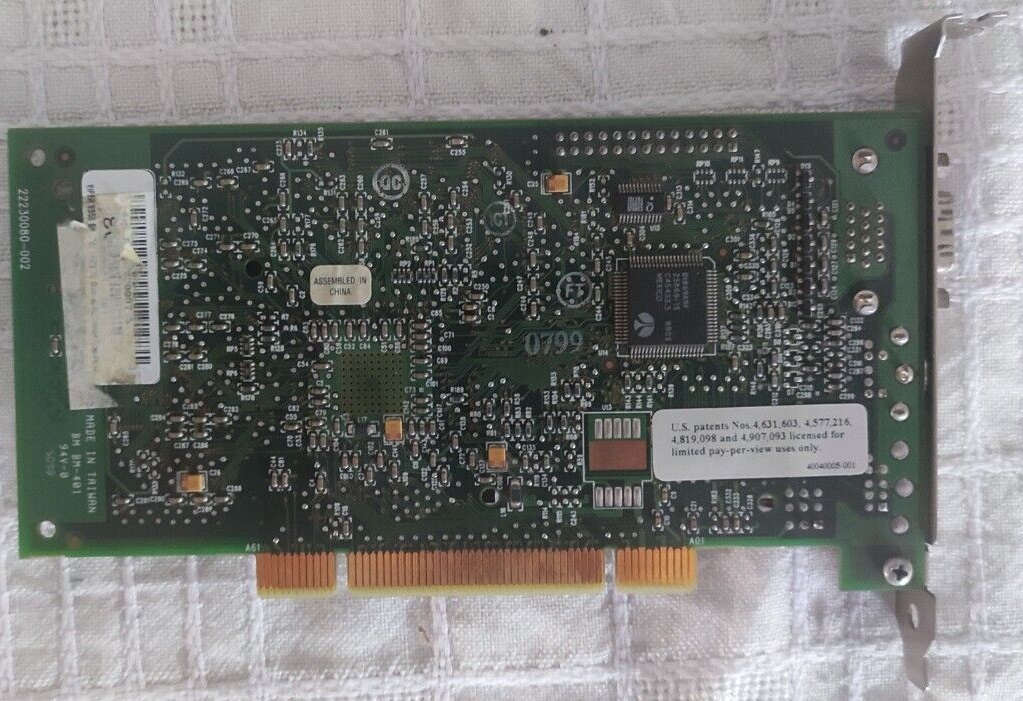
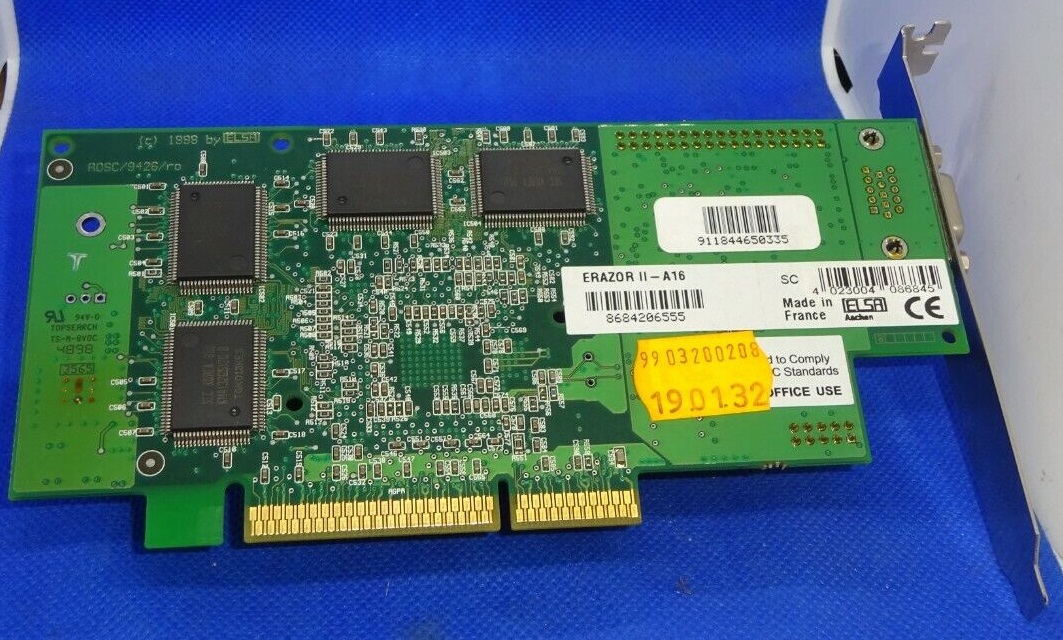
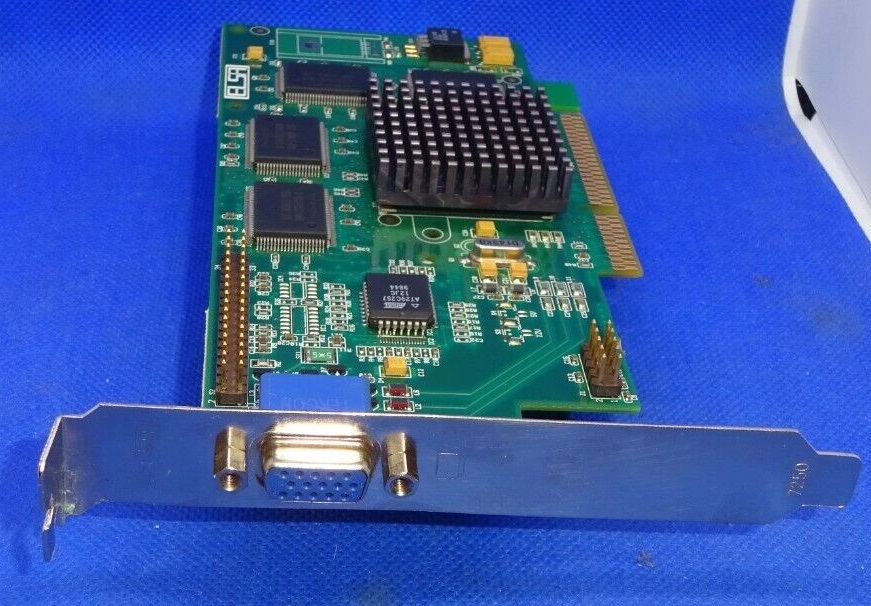
The cards shown in this section illustrate the various models of card with a variety of memory and BIOS ICs.
STB Velocity 4400 Rev.A 16 MB SDRAM (RIVA TNT) (1998):

Diamond Viper V550 AGP Rev.C 16 MB SDRAM (RIVA TNT) (1998):
Diamond Viper V550 AGP Rev.? 8 MB SDRAM (RIVA TNT) (1998):
Diamond Viper V550 PCI Rev.F 16 MB SDRAM (RIVA TNT) (1998):
ELSA Victory Erazor II AGP Rev.? 16 MB SGRAM (RIVA TNT) (1998):
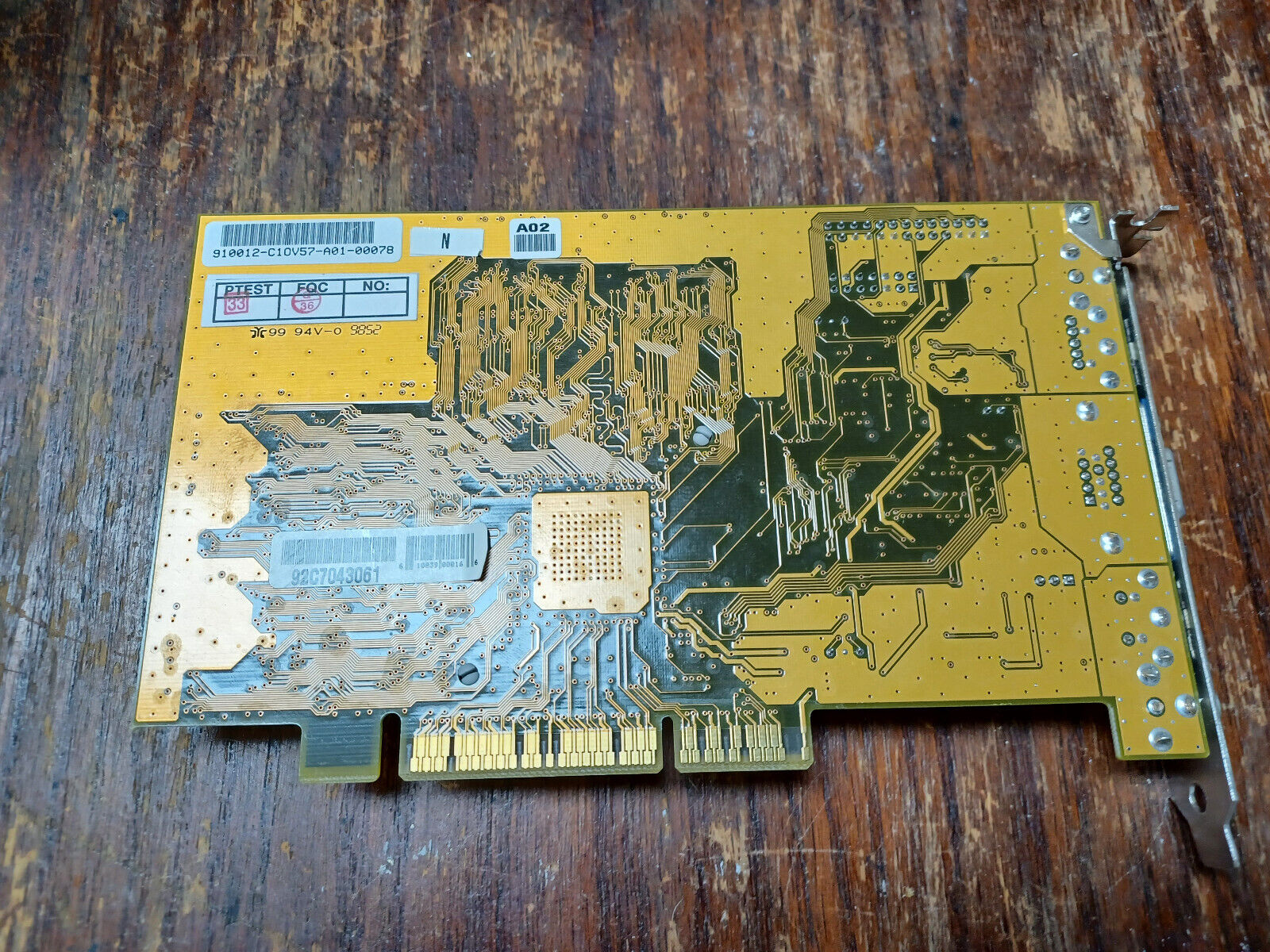
ASUS AGP-V3400TNT/TV AGP Rev.1.00 16 MB SGRAM (RIVA TNT) (1998):
Downloads
RIVA TNT drivers come in two forms: (1) reference drivers developed and released by nVidia themselves, and (2) manufacturer-specific drivers for their own cards.
Windows 95 drivers, at least for the AGP version of the card, require OSR 2.1 to be installed.
Windows NT 4.0 drivers require Service Pack 3 to be installed.
Bear in mind some early drivers were optimised to cut corners so the cards would perform better in performance tests like 3D WinMark 98. Such examples included frame skipping and ignoring the rendering of triangles smaller than 1 pixel in size, making some objects disappear or appear fragmented. This practice was sadly quite common in 1998, with numerous manufacturers trying to "cheat" these tests to make it appear that their card was superior to competitors in raw frames per second but would manifest as a poorer image quality. STB's Velocity 4400 drivers do some of this, as does nVidia's reference driver which forces the display of a lower-level MIP-map (using its auto-MIP-mapping feature) for the first 80 to 90 frames of the scene whenever Linear or Nearest filters (but not MIP-mapping) were invoked by the application.
Most vendors' custom Control Panel advanced settings include the option to enable or disable VSYNC. VSYNC is the synchronization of all buffer swaps to the refresh rate of your monitor, theoretically limiting the attainable frame rate by the refresh rate your monitor is set at. Disabling it will improve performance but may degrade visual quality by introducing "tearing".
Click on an icon in the table below to download the file.
Windows 3.1/3.11 Reference Driver For all NV3 cards (RIVA 128 and 128ZX). |
Windows 95/98 Reference Driver for AGP cards For all NV3 AGP cards. |
Windows 95/98 Reference Driver for PCI cards For all NV3 AGP cards. |